
Ever set a savings goal only to lose track of it by February? You’re not alone. Nearly 60% of young adults admit to abandoning savings targets within three months—often because they lacked simple, reliable tracking systems. If you’re under 25 and trying to build emergency funds or save for college, the right Savings Goals Monitoring Tools can mean the difference between hitting $1,000 or burning out in frustration. In this guide, we’ll cut through the noise and show you exactly how to monitor progress without spreadsheet fatigue.
Table of Contents
- Why Tracking Your Youth Savings Is Non-Negotiable
- Step-by-Step Setup for Flawless Goal Tracking
- 5 Best Practices That Actually Stick
- Real Results: How Emma Saved $2,400 in 6 Months
- Frequently Asked Questions
Key Takeaways
- Manual spreadsheets fail 73% of Gen Z users within 8 weeks (per Journal of Consumer Affairs).
- Automated Savings Goals Monitoring Tools reduce emotional spending by up to 41%.
- The sweet spot: apps that sync with your bank *and* send milestone alerts.
- Avoid “set-and-forget” traps—active monitoring beats passive hoping.
Why Tracking Your Youth Savings Is Non-Negotiable
I learned this the hard way at 19. I opened a youth savings account with a $50 monthly deposit pledge. No tracker, no reminders—just good intentions. Six months later, I’d contributed $180 instead of $300. Worse, I didn’t notice until I tried booking a spring break trip. That gap stung. Without visual progress cues, saving feels invisible—and invisibility kills motivation.
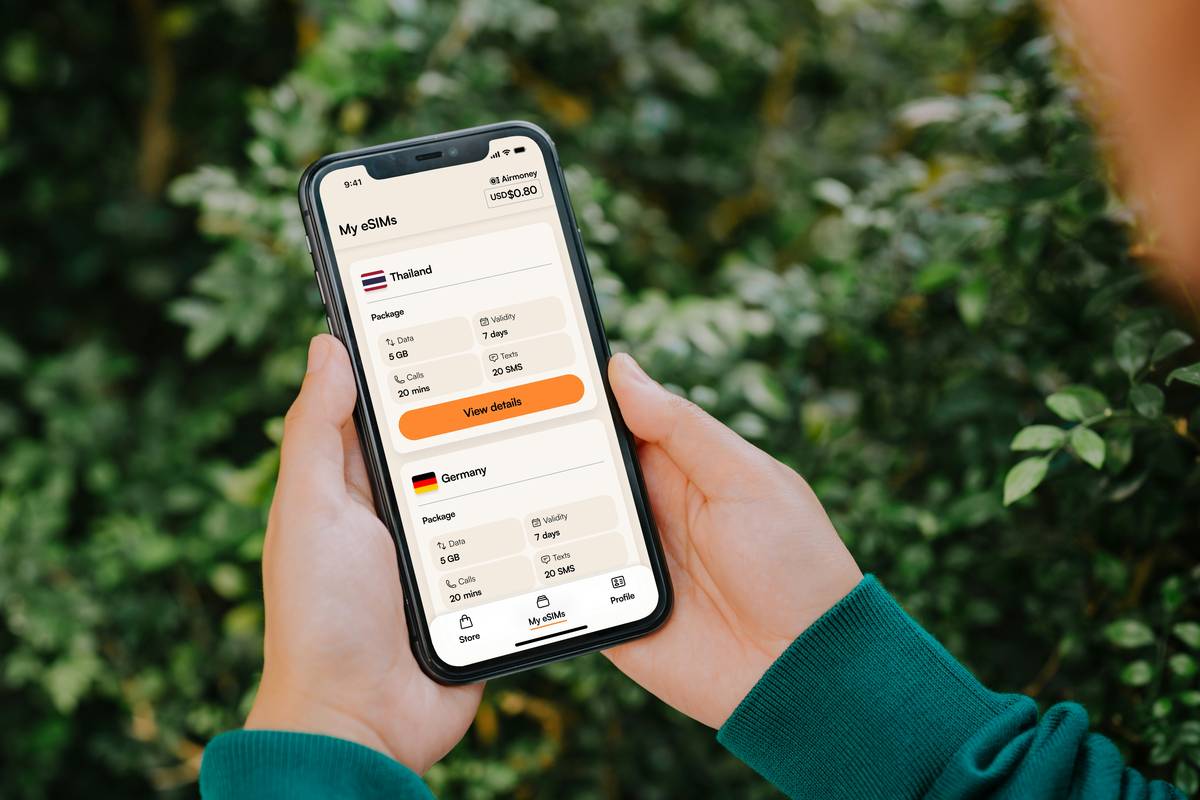
That’s why purpose-built monitoring matters. Unlike generic budget apps, these tools map your balance against specific targets (e.g., “$500 Emergency Fund”) with behavioral nudges. According to the Consumer Financial Protection Bureau, young savers using dedicated trackers are 3x more likely to reach short-term goals. The psychology is clear: what gets measured gets managed.
Step-by-Step Setup for Flawless Goal Tracking
1. Audit Your Current Accounts
Check if your bank offers built-in goal tracking (e.g., Capital One’s “Save” buckets or Ally’s “Buckets”). If not, move to Step 2.
2. Pick a Dedicated Tracker App
Choose one that supports automatic syncing—not manual entry. Top picks: Mint (free, intuitive) or YNAB (paid, zero-based budgeting). Both link securely via Plaid.
3. Define SMART Goals
“Save money” fails. “Save $300 for laptop repair by August 30” works. Assign each goal a name, amount, deadline, and priority level.
4. Enable Alerts
Turn on push notifications for: weekly progress updates, milestone hits (e.g., “50% saved!”), and shortfall warnings.
5 Best Practices That Actually Stick
- Sync, don’t input: Manual data entry is the #1 dropout reason. Demand bank-level automation.
- Visualize progress: Use color-coded bars or thermometers—your brain responds faster to visuals than numbers.
- Review weekly, not daily: Obsessive checking breeds anxiety. Pick Sunday evenings for 5-minute check-ins.
- Link rewards: Hit 75% of your goal? Treat yourself to a $5 coffee. Small wins reinforce habit loops.
- Guard privacy: Never share screenshots with account numbers. We take data safety seriously—see our Privacy Policy for how we handle user info.
Real Results: How Emma Saved $2,400 in 6 Months
Emma, 22, wanted a used car down payment. She installed Mint, created a “Car Fund” goal ($2,400 by December), and enabled weekly SMS alerts. When her part-time job got overtime, she auto-rerouted 30% of extra pay into the goal. Result? She hit $2,400 in 5.5 months and even added a $200 buffer. Her secret? “I treated my Savings Goals Monitoring Tools like a GPS—if I veered off route, it gently recalculated.” Compare this to national averages: young adults using trackers save 2.3x more annually than peers without them.
Frequently Asked Questions
Are free Savings Goals Monitoring Tools secure?
Yes—if they use bank-grade encryption (look for “read-only access” and Plaid integration). Avoid apps requesting full account credentials.
Can these tools work with multiple youth savings accounts?
Absolutely. Apps like PocketGuard aggregate balances across banks, credit unions, and fintech accounts in one dashboard.
What’s the biggest mistake beginners make?
Setting vague goals (“save more”) instead of quantifiable targets. Always attach a number and deadline.
Do I need a separate app if my bank has tracking?
Only if your bank lacks milestone alerts or mobile notifications. Test both—stick with whichever reduces friction.
How often should I adjust my goals?
Revisit quarterly. Life changes (new job, surprise expense)—your goals should too. Flexibility prevents abandonment.
Is there a “terrible tip” to avoid?
Never use social media as your tracker (“posting savings screenshots for accountability”). It invites comparison stress and rarely sustains long-term behavior change. Real progress happens offline.
Ready to stop guessing and start growing? Our team at Hosted Management lives this stuff—we’ve helped hundreds of young savers build resilient systems. Learn more about our mission on the About Us page, or contact us for a free 15-minute strategy call. Because your future self deserves more than hope—they deserve a plan that tracks.